Sustainability in 2026: Beyond Just 'Eco-Friendly' Materials
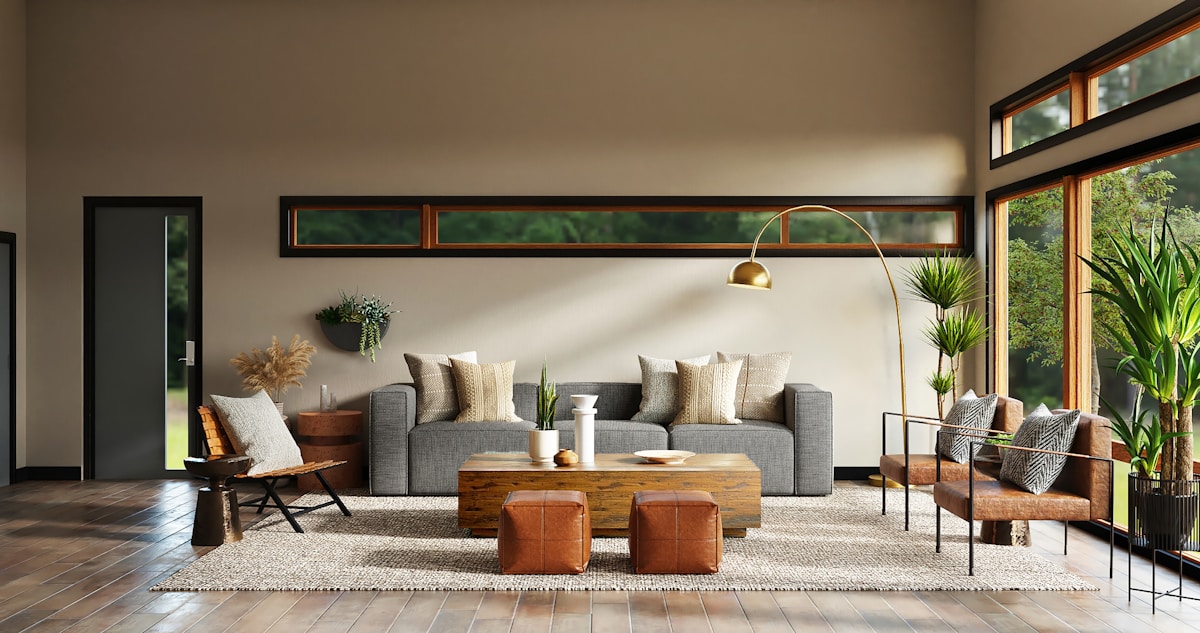
In 2026, the term 'sustainable' has evolved from a marketing buzzword into a rigorous technical standard. For interior designers and architects, this shift means moving beyond simply choosing low-VOC paints or recycled fabrics. We are now entering the era of regenerative design.
The Shift to Circularity
The circular economy in interior design is no longer a concept; it's a practice. Designers are now evaluating the 'end-of-life' for every piece of furniture specified. Can the modular sofa be disassembled for part-replacement? Is the composite flooring fully biodegradable at the end of its 20-year cycle?
"True sustainability is the ability of a system to maintain itself... Regenerative design goes a step further by improving the system it touches."
Material Innovation: Mycelium and Bio-polymers
We are seeing a surge in bio-fabricated materials. Mycelium-based acoustic panels are replacing traditional foam, offering superior fire resistance and a completely carbon-negative lifecycle. Similarly, bio-polymers derived from agricultural waste are now being used for high-end surface finishes that rival the durability of stone.
Transparency and the 'Material Passport'
Clients are increasingly demanding to know the carbon footprint of their renovation. In response, leading firms are implementing 'Material Passports' for their projects—digital records that track the origin, composition, and recycling instructions for every item in the space.
Conclusion
The future of luxury is tied to the ethics of production. By integrating regenerative practices today, designers are not just protecting the planet; they are future-proofing their brands in an increasingly conscious market.
Ready to Transform Your
Interior Business?
Start creating professional quotations today.