Psychology of Space: How Color and Form Affect Mental Health
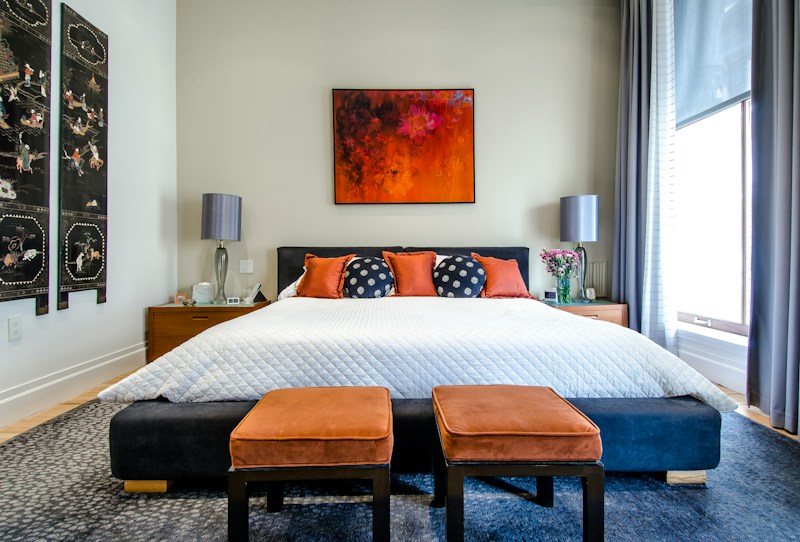
We spend over 90% of our lives indoors. It is no surprise, then, that the architecture of those spaces has a profound impact on our neurological and physiological health. This is the study of Neuro-aesthetics.
The Power of Ceiling Height
Research suggests that higher ceilings stimulate 'abstract thinking' and a sense of freedom, while lower ceilings are better for 'detail-oriented work'. Professional designers are now tailoring spatial volumes to the specific function of each room.
Biophilic Geometry: Nature's Curves
Human brains are hardwired to recognize and feel safe around natural patterns. Integrating 'fractals' (repeating patterns found in nature) and 'curvilinear forms' (avoiding sharp corners) has been shown to reduce blood pressure and heart rates in occupants.
Color as a Biological Trigger
Color theory is more than just aesthetics. For example, 'Biophilic Greens' reduce mental fatigue, while 'Deep Blues' are proven to lower stress. Conversely, high-saturation reds can increase heart rates and even stimulate appetite—a common tactic in restaurant design.
By designing with a psychological lens, we transform spaces from simple shelters into active tools for human happiness.
Ready to Transform Your
Interior Business?
Start creating professional quotations today.